
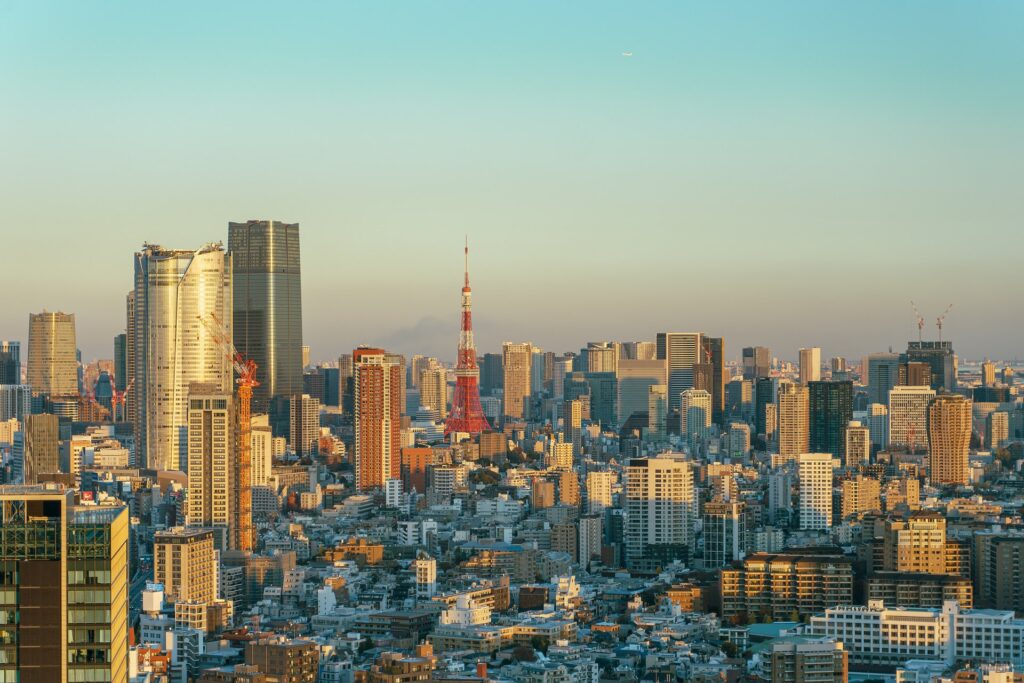
Tokyo works less like one city with a single historic core and more like a constellation of distinct towns wired together by the world’s most punctual urban rail network. You can step out of a neon-lit Shinjuku station exit and reach a cedar-shaded Meiji shrine, a retro record alley or a Michelin-starred ramen counter within fifteen minutes. The trick is grouping sights by neighbourhood so you spend your day exploring streets rather than crossing the map.
In short: Stay near a Yamanote Line station such as Shinjuku, Shibuya, Tokyo Station or Ueno, load a mobile Suica/PASMO IC card for seamless train and subway transfers, and plan four to five days. Visit in late March–April or October–November for mild weather; Haneda and Narita airports both link cleanly to downtown by express rail or monorail.
Where to stay
Shinjuku is the busiest rail hub on earth and makes late-night dining, department store basements and day trips to Hakone or Mount Fuji effortless, though the station itself takes a day to learn. Shibuya puts younger fashion streets, cafés and Harajuku within an easy walk.
For calmer, polished streets and direct Shinkansen bullet-train connections toward Kyoto, stay around Tokyo Station / Marunouchi / Nihonbashi. On the traditional eastern side, Ueno and Asakusa offer lower hotel rates, museum parks and direct access from Narita via the Keisei Skyliner.
What is worth your time
Asakusa, Sensō-ji and Tokyo Skytree
Arrive at Sensō-ji—Tokyo’s oldest Buddhist temple—around 7:30 am to see the giant red lantern at Kaminarimon Gate and the incense courtyard before tour buses fill Nakamise-dori. From there, walk across the Sumida River toward Sumida Park or Tokyo Skytree for clear-morning panoramic views (winter mornings occasionally reveal Mount Fuji on the western horizon).
Meiji Jingu, Harajuku and Shibuya
Walk beneath towering forested torii gates inside peaceful Meiji Jingu Shrine, then drift through backstreets of Ura-Harajuku and Cat Street down into Shibuya. Rather than paying solely for the crowded Shibuya Sky deck if tickets sell out, note that several elevated glass walkways around Shibuya Station and free observatory floors at the Tokyo Metropolitan Government Building in Shinjuku offer sweeping city views.
Yanaka, Ueno Park and Tsukiji Outer Market
Skip the old wholesale fish auction site (which moved to Toyosu) and wander Tsukiji Outer Market before 10 am for grilled scallops, tamagoyaki and knives, then head north to Yanaka—one of the few central quarters spared wartime firebombing, full of wooden temple gates, small tea shops and cat-lined lanes.
Museum islands and evening districts
Book timed tickets weeks ahead if you want immersive digital art at teamLab Planets/Borderless or the Ghibli Museum in Mitaka. Spend an evening exploring glowing lantern alleys like Omoide Yokocho in Shinjuku or standing-bar streets under the Yurakucho train tracks.
Eating and drinking
Tokyo holds more standout casual food per block than almost any city alive: ticket-machine ramen shops, sizzling yakitori counters, crisp tonkatsu, handmade soba, and immaculate department-store depachika food halls for picnic lunches. Lunch sets (teishoku) at mid-range restaurants cost half of dinner rates. Do not tip—excellent service is built into the bill, and attempting to tip often causes confusion.
Getting around
Load an IC transit card (Suica or PASMO on Apple Wallet, or physical Welcome cards at airports) and pair it with Google Maps or Apple Maps, which accurately show platform numbers, exit letters and transfer cars. Trains generally stop around midnight, so watch the clock if dining far from your hotel. From Haneda Airport (HND), the Tokyo Monorail or Keikyu Line reaches central Tokyo in 20–30 minutes; from Narita (NRT), the Narita Express or Keisei Skyliner takes 45–60 minutes.
When to go
Late March to early April brings cherry blossoms (and peak hotel rates), while October through November gives crisp blue skies, comfortable walking temperatures and autumn foliage into late November. June and early July are rainy; late July and August are intensely hot and humid. January and February are cold, bright, clear and quiet.
Day trips
- Kamakura and Enoshima – one hour south by JR train for coastal walking, bamboo groves at Hokoku-ji and the Great Bronze Buddha.
- Nikkō – roughly two hours north for lavishly carved Toshogu Shrine set among ancient mountain cedars.
- Hakone – about 90 minutes southwest via Odakyu Romancecar for Lake Ashi ferries, open-air sculpture museums and clear-day Mount Fuji views.
Good to know
- Public trash cans are rare across Tokyo; carry a small zip pouch for wrappers until you return to your hotel or a convenience store bin.
- Carry some Japanese yen cash for small shrines, older ramen ticket machines and market stalls, even though cards and IC payments work widely.
- Keep voice volume low on trains and avoid eating while walking down crowded sidewalks.
Frequently asked questions
How do you pay for trains and subways in Tokyo?
Get a digital Suica or PASMO IC card in Apple Wallet or pick up a Welcome Suica/PASMO card at the airport. You tap the same IC card at almost every JR line, Tokyo Metro, Toei Subway, bus and convenience store.
Which area is best to stay in Tokyo for first-time visitors?
Shinjuku, Shibuya or the Marunouchi/Tokyo Station area offer the fastest rail connections across the city. Choose Ueno or Asakusa if you prefer quieter evenings, traditional temples and more budget-friendly hotels.
How many days should you spend in Tokyo?
Four to five full days lets you explore major western and eastern districts at a comfortable pace plus take one day trip to Kamakura, Nikko or Hakone.
Official websites
Confirm museum reservations, airport express timetables and seasonal hours on official pages:
- GO TOKYO – Official Tokyo Travel Guide
- Toei Transportation – Subways & Buses
- Japan National Tourism Organization
- Sensō-ji Temple, Asakusa
Featured photo: David Kernan, CC BY 4.0, via Wikimedia Commons.

Leave a Reply